The short answer
The best long haircut for thin hair is a blunt cut at the collarbone with one or two long face-framing layers and, if you want it, curtain bangs. The blunt line makes the ends look thick. The few layers add shape without taking hair away. The fringe puts volume where people look.
The worst haircut for thin hair is long and heavily layered. It is what many stylists offer by default, and it turns fine ends into see-through ends.
Why thin hair needs a different cut
Thick hair needs weight removed. Thin hair has no weight to remove. Every technique that makes thick hair look better, layers, thinning, texturising, razoring, takes hair out, and on fine hair that shows as gaps.
Thin hair looks thickest when it is cut to one length, because all the ends line up and make an edge. It looks thinnest when the ends are feathered, because the eye sees through them. The cut for thin hair is about keeping, not removing.
The cuts that work
The blunt collarbone cut
One length, cut straight across at the collarbone, no layers at the back. This is the single best cut for fine hair. The bottom line reads as thick. It works straight, and it works with a soft wave. Ask for it to be cut slightly longer at the front than the back, which keeps it from looking severe.
Blunt cut with face-framing layers
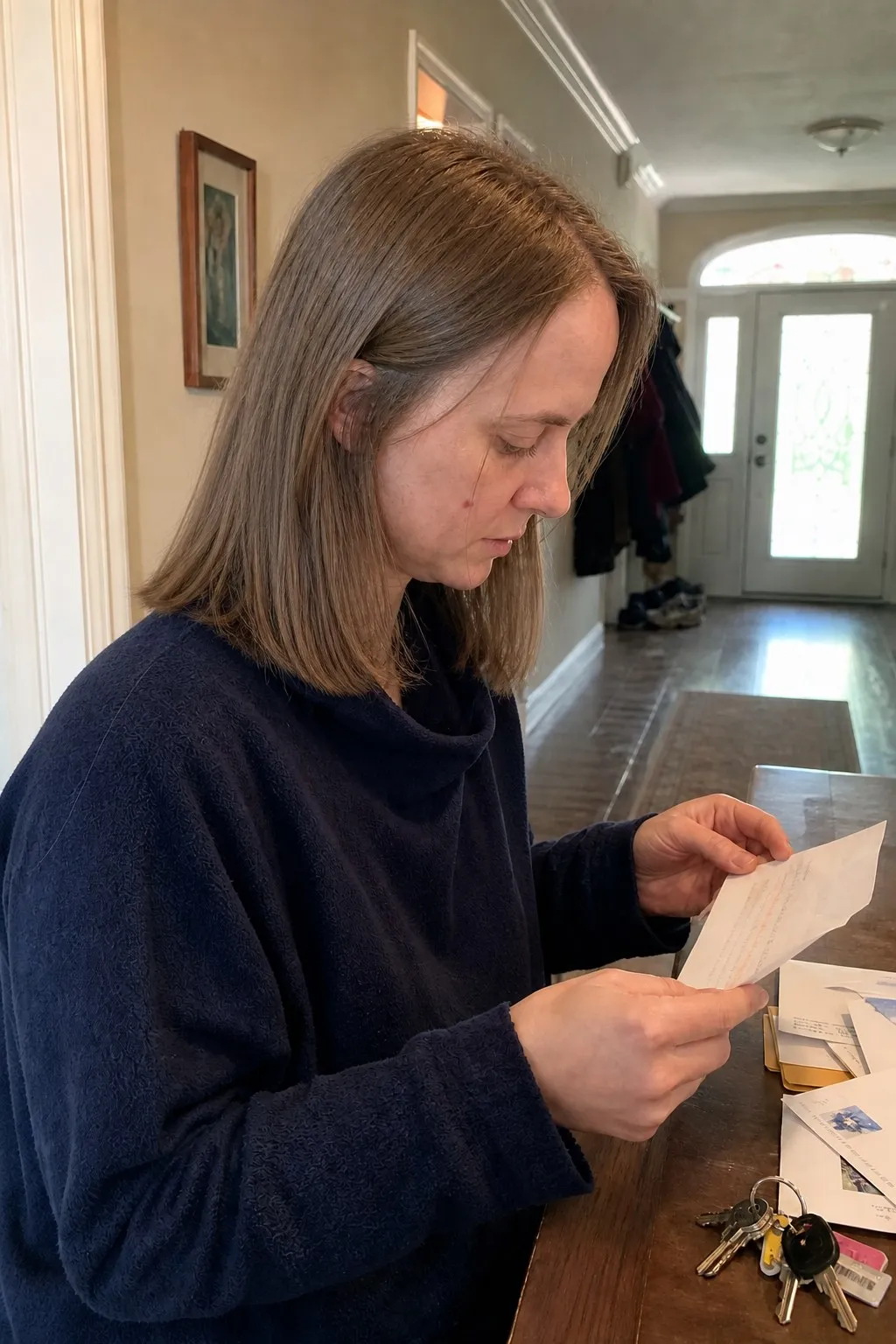
The same blunt line, with one or two long layers around the face, starting at the jaw or lower. The layers give the face a frame and the back keeps all its thickness. This is the cut in the photo at the top of the page.
Blunt cut with curtain bangs
A fringe gives fine hair volume at the front of the head, where the eye lands first. Curtain bangs are the safest version because they are parted and swept, so they never look sparse the way a blunt fringe can on fine hair.
Long bob at the collarbone
A lob is the blunt collarbone cut with a little more shape: slightly shorter at the back, slightly longer at the front. On fine hair it swings and looks intentional. Keep it at the collarbone, not the chin.
Face shapes
- Round. The blunt cut with long face-framing layers that end below the chin. Keep the fringe long.
- Square. The blunt cut with soft curtain bangs and a gentle wave at the jaw.
- Heart. Curtain bangs plus face-framing layers at the jaw. The fringe softens the forehead and the layers fill in the chin.
- Long. Curtain bangs and a soft wave at the sides. Avoid height.
- Oval. Anything on this page.
What to ask for at the salon
Say “blunt cut at the collarbone, no layers through the back”. Then add “one or two long face-framing layers starting at the jaw” if you want them, and “soft curtain bangs” if you want a fringe. Say “no thinning shears and no razor” out loud. Many stylists reach for them by habit.
Ask for the ends to be cut with scissors straight across, not point-cut. Point-cutting softens an edge, and on fine hair the edge is the whole point.
The regret test
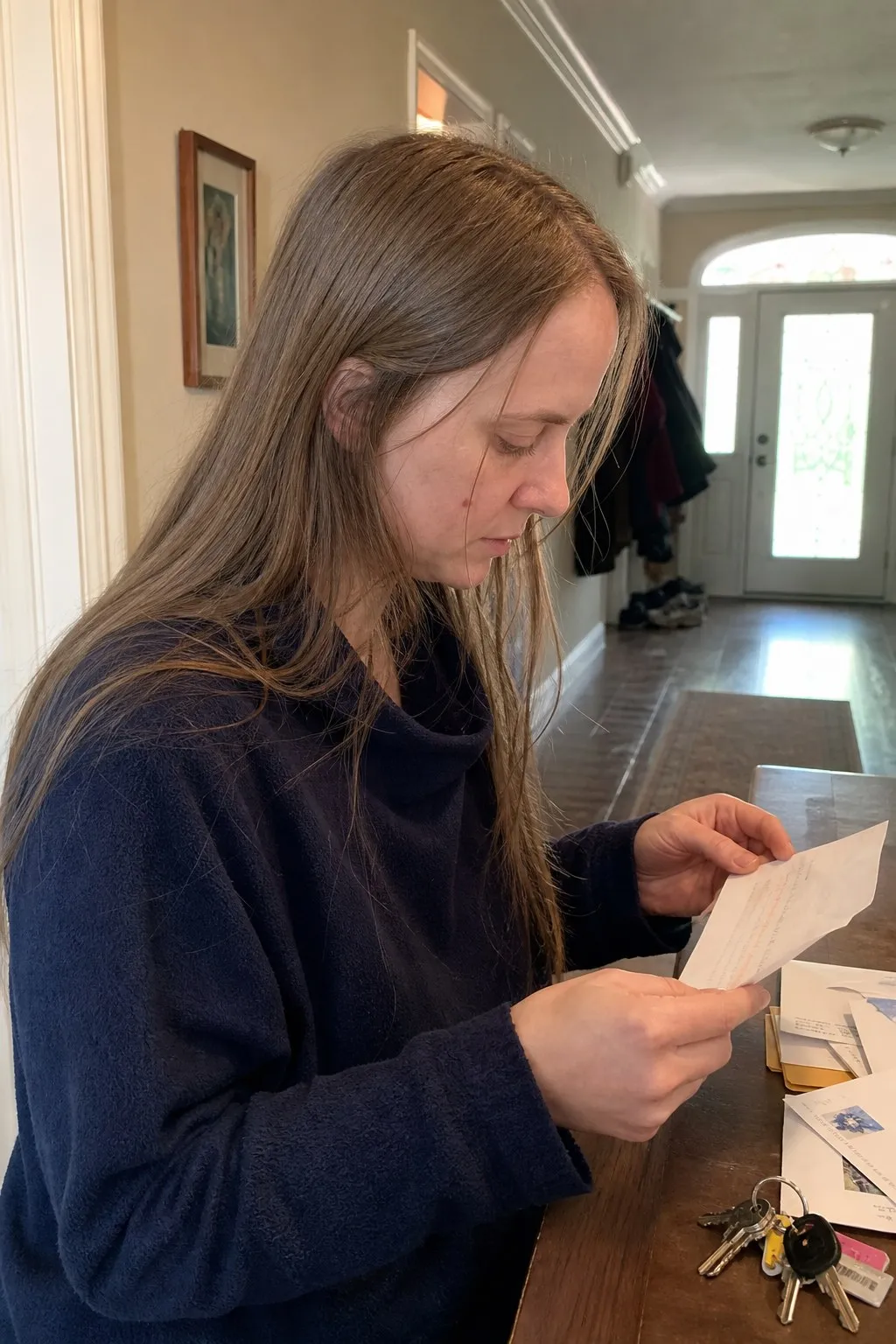
The slider at the top of this page shows one woman in one hallway. Only the hair changes. Her before is fine hair grown past the shoulders, see-through at the ends, flat at the roots. Her after is a blunt line at the collarbone with two soft face-framing layers. No hair was added. The cut moved the edge to where the hair is still full, and the hair looks thicker.
The HaircutAI app shows you the blunt cut, the lob and curtain bangs on your own selfie, next to your hair now. For fine hair that comparison is the one that matters, because the app shows the ends, and the ends are where thin hair is won or lost.